
The Basenji

Basenji

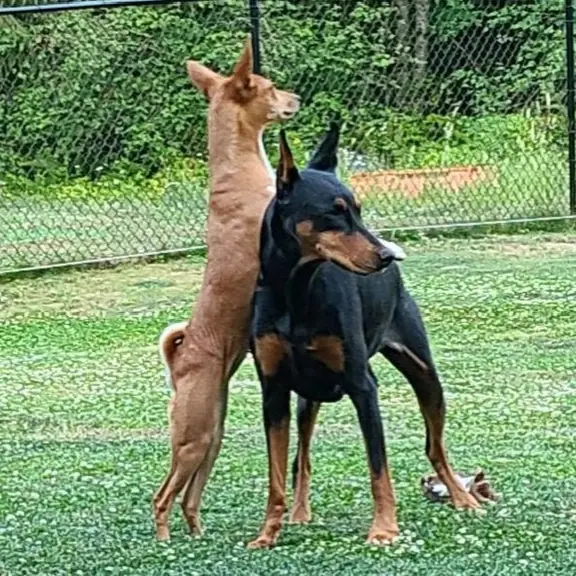
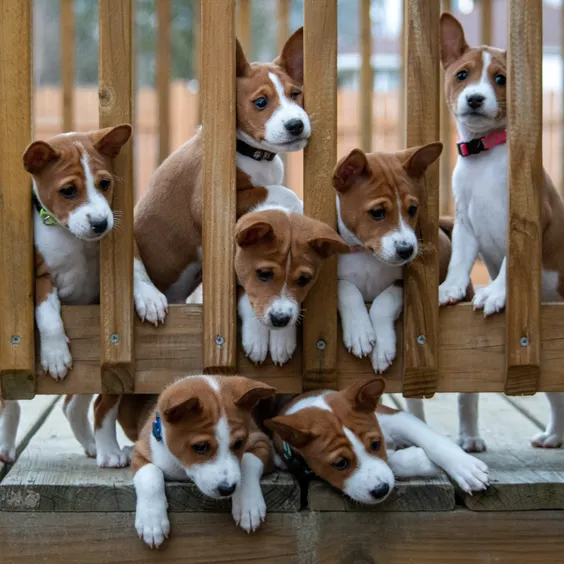
An ancient hunting hound from central Africa. Recognized by the AKC in 1943 and assigned to the Hound Group. Small, short-coated, clean, and famously catlike.

The breed comes from villages along the Congo, where it has hunted small game with people for thousands of years. The first pairs to reach North America arrived in 1937. The Native Stock Project, started in 1988 and ongoing, keeps the gene pool open to newly identified African dogs.

What it's like to live with one

An honest read on the breed, what to expect from a young dog, and a few of the most common surprises. Read through, talk to current owners if you can, and take your time.

Basenji

They're cute.

Short coats, moderate size, striking appearance, and the fact that they don't bark all add to the appeal. But they are little dickens. The basenji may be the only breed whose owners brag about the destruction the dog has wrought. New owners quickly learn to put dirty clothes in the hamper, the remote in a drawer, and the garbage behind a closed door. They also learn that a tired dog is a good dog, and that a basenji raised with patience and love is unmatched.

One note: basenjis are not hypoallergenic. Some allergic people tolerate them, some don't. There is no safe way to know without spending time around them.

Basenji

They don't bark. They do everything else.

Basenjis are not mute. They growl, whimper, and whine. They have a hair-raising scream and a delightful yodel. They are often described as cat-like, and depending on how much you like cats, that will land differently. If you can spend time with adult basenjis before deciding, do.

Basenji

They live long, with caveats.

A well-bred basenji from a careful breeder can be a healthy companion for many years. Like every breed, the basenji has known hereditary issues to watch for, including Fanconi Syndrome, Progressive Retinal Atrophy, hypothyroidism, IPSID, and hip dysplasia. No breeder can guarantee a puppy will be disease-free, but responsible breeders test their breeding stock and are open about results.

The Basenji Health page goes into detail about what to look for and what to ask.

Basenji

They're smart. Not necessarily obedient.

A basenji will outsmart and out-train you if you let it. Puppy kindergarten and basic obedience class are strongly encouraged. Positive reinforcement works very well with the breed; harsh techniques do not. There is never a reason to hit a basenji.

Basenji

They're energetic, but not in the way you might expect.

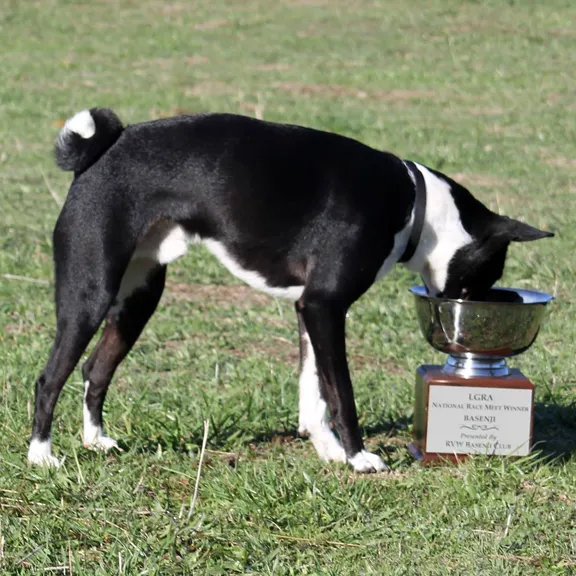
A basenji will not grow up to be a frisbee dog. They will not reliably fetch a stick. What they will do is chase every squirrel, cat, and rabbit they see, which is why they live on leash or behind a secure fence. There are plenty of sports they enjoy, including lure coursing, tracking, conformation, agility, and obedience. See the Versatile Basenji Program for the full list and a snapshot of what basenjis have accomplished.

Basenji

They're a handful as puppies.

If you are not up for nonstop puppy demands, or your carpets are not up for housetraining, consider a young adult or an older dog. Most basenjis adapt well to a new family and form bonds just as strong as a puppy raised from eight weeks. An adult dog may already know basic commands, be well socialized, and be past the everything-is-a-chew-toy phase. Basenji Rescue and Transport (BRAT) is a good starting point. Breeders sometimes have an older dog looking for the right home as well.

Basenji

They take patience to find.

Basenji bitches usually come into season once a year, in the fall, with puppies arriving in late fall or early winter. That means a careful search may take months. Be prepared to travel, to interview breeders for next year's litter, and to wait. The questions to ask a breeder on the directory page are a good starting point.

Basenji

One more thing.

This page is offered by the Basenji Club of America, a nonprofit dedicated to the welfare of the breed. The basenji is a challenging dog, and its temperament may not be what people expect. We hope this helps you make an informed decision, whether or not you end up choosing a basenji.